Automation in manufacturing: How do we eliminate clickwork?
When you hear the word automation, what image pops into your mind? For most people, it’s probably a high-tech robot arm assembling parts on a production line. Or maybe a fully automated warehouse where packages seem to sort themselves. And while those are exciting and very real examples of how automation is reshaping the industry, there’s another kind of automation that often flies under the radar.
It’s happening behind desks, inside systems, and in the workflows of engineers, planners, and project managers.
From clicks to code: A real-world example
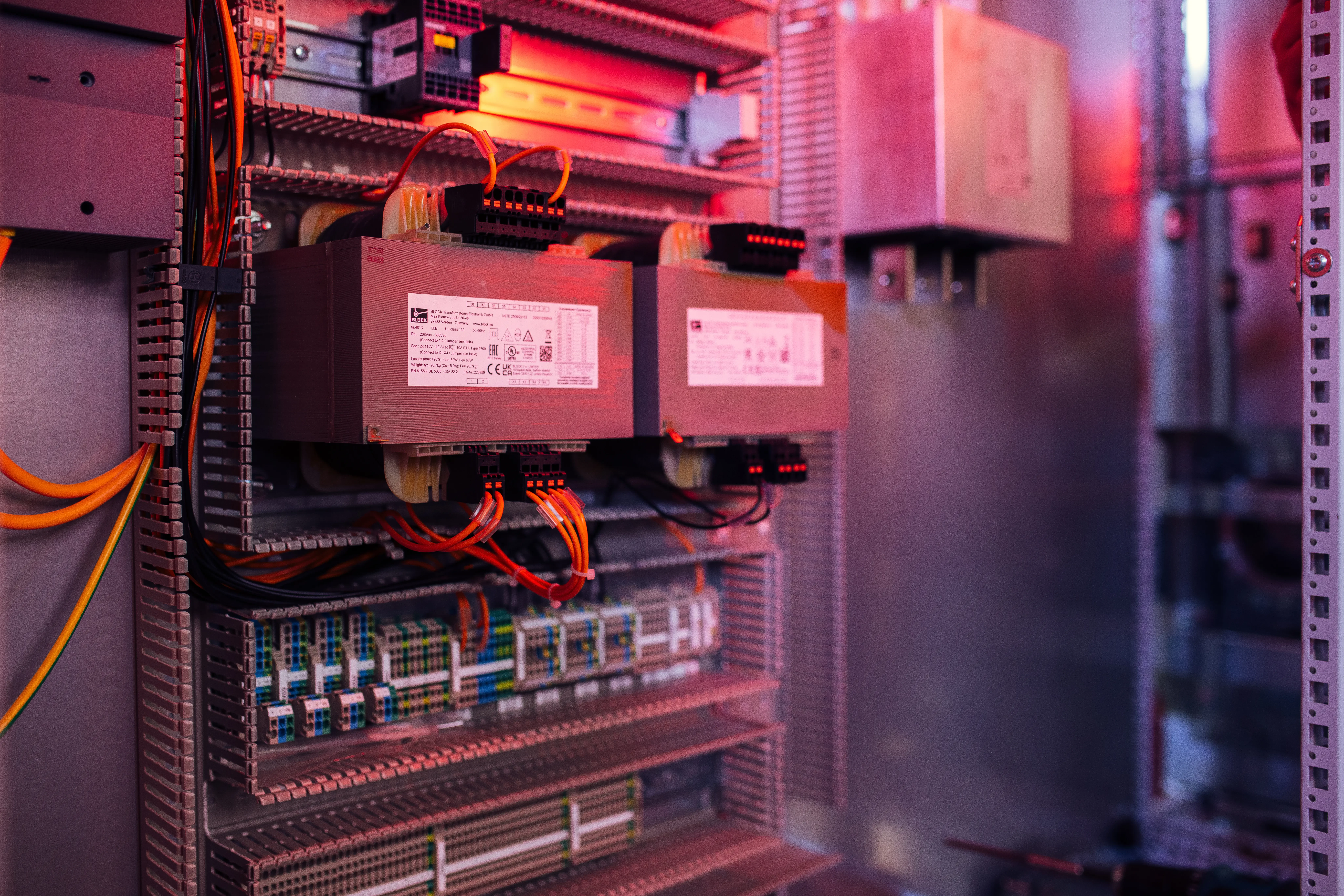
At BBC Bircher Automation, we manufacture complex, highly customised control cabinets for industrial applications around the world. And as you might expect, our operations require a lot of engineering input, documentation, and system coordination. That’s where our specialists in the Eplan Development Centre come in.
Their job? To eliminate repetitive digital tasks.
They develop custom scripts and connect internal systems to reduce the amount of “clickwork” our team has to do daily. It’s things like:
- Uploading and syncing material lists across platforms
- Transferring technical data from PDF or Excel to design software
- Pre-processing data before it even reaches production
Where it once took hours of manual effort, now it takes just a few clicks or happens automatically in the background. These aren’t fancy robots. These are smart tools that quietly remove friction and save time.
Why this matters
Most companies still underestimate the hidden costs of routine digital labor.
Did you know?
- A single engineer might spend 30–60 minutes per day on repetitive file formatting, data entry, or searching for info.
- Across a team of 10, that’s 25 hours a week of highly qualified people doing low-value tasks.
- Over a year, that’s 1,200+ hours that could be reinvested into innovation, quality assurance, or customer support.
By automating the boring stuff, we’re not replacing people. We’re giving them back their time. And here comes the hard part of communicating we’re here to help, not replace them with automation.
Digitalization ≠ Robots
At BBC Bircher Automation, we believe that digitalization and automation is a mindset. Whether it's a script that runs in the background or a control cabinet that powers a metro in Riyadh, it's about solving real problems through smart, elegant solutions.
What’s next?
As we continue pushing forward with tools like MIREAM (our in-house app for assembly support), exploring digital twins, and testing the boundaries of what’s possible with control cabinet design, we’re also staying focused on this one principle:
👉 Automation should serve people, not replace them.
Where do you see routine digital work slowing your team down? What would happen if your engineers spent more time designing and less time clicking?
We’d love to hear from others navigating similar challenges. What tools or tactics have worked for you in simplifying internal workflows?